
National Eczema Week is upon us, running from September 13th – September 19th. The purpose of this is to spread awareness and educate others about eczema and ensure the public know how to deal with it. Atopic Eczema is the most common form of eczema. This usually starts at an early age and although does usually calm down through age, can still be an issue for some if not treated correctly.
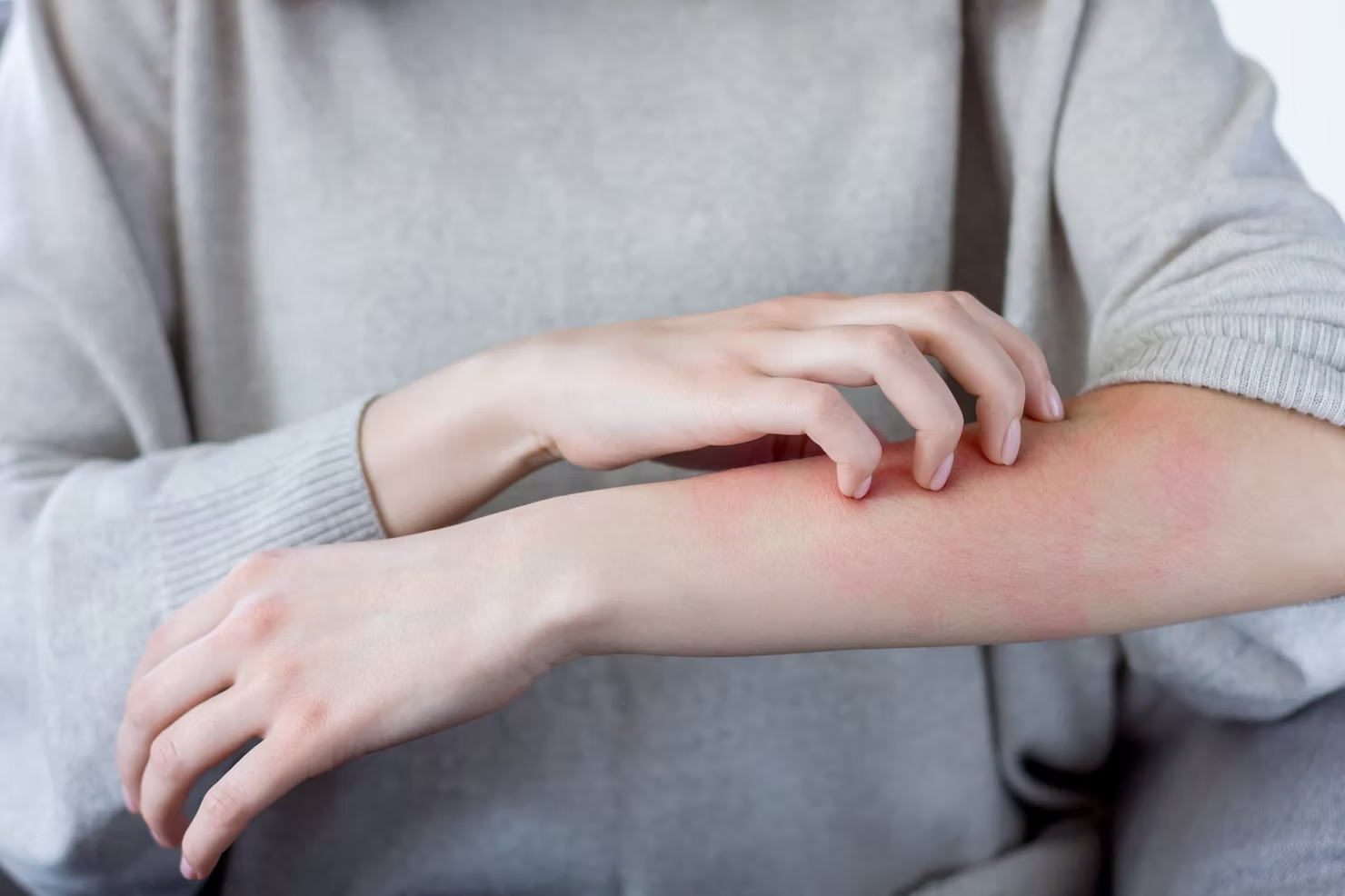
Diagnosing: Diagnosing Eczema will always involve the patient experiencing itchy skin. If the skin is not itchy then it is very unlikely that the condition is related to eczema. As well as this, the symptoms will also include some of the following:
-
Suffer with generally dry skin
-
Irritated red skin, commonly located between the joints of arms and legs
-
A History of asthma or hay fever, as eczema can commonly develop alongside these existing conditions
-
A family history with eczema
Causes: Skin products: Such as soap, shampoo or even washing up liquid. Weather conditions: Any type of weather condition whether it be hot, cold, dry or humid, can be a possible trigger for eczema. Diet: Certain foods can trigger eczema, these often being dairy products such as milk and eggs. However other types of food like nuts, wheat and fish can also be a culprit. Spices on foods like cinnamon, cloves and vanilla should also be removed from the patient’s diet to monitor if they are worsening the condition. Clothing Materials: Abrasive materials like wool and polyester can irritate the skin which leads to eczema, or more often, can aggravate existing eczema areas. Genes: It is possible that Atopic Eczema can be inherited from a family member. Identifying these triggers by asking the patient to do things like keeping a food diary, switching out their skin products and being weary of the materials they are putting on their skin can be extremely beneficial in reducing and eliminating Atopic Eczema.
Treatments: Atopic Eczema can be treated to relive the severity of the condition and improve the skins condition. If self-care methods and regular moisturising is not successful then the following can be prescribed: Emollients (Moisturising Treatments): This should be implemented on daily basis, 3-4 times throughout the day to reduce dryness and repair the skin. These come in the form of creams, ointments, and lotions etc. These should be used sparingly as failure to do so can lead to thinning of the skin. Topical Corticosteroids: The potency levels in which this would be used would depend on the severity of the atopic eczema condition. This method would help to reduce redness and itching. Applied once or twice daily. For more information on our dermatology services: www.healthharmonie.com/dermatology For more information on National Eczema Week: www.nationaltoday.com/national-eczema-week/ Our contact info: www.healthharmonie.com/contactus
TEL: 0121 454 7779
EMAIL: health.harmonie@nhs.net