
Both Abdominal and Pelvis scans are performed in a similar fashion, however they will both require different types of preparations before they can be carried out.
Abdominal Ultrasound Scans
An abdominal ultrasound scan is a non-invasive exam that is performed using sound waves that creates images (sonograms) to view the organs within the abdominal area. We will perform these scans if any of the following areas need to be examined:
-
Aorta
-
Biliary Tract
-
Gallbladder
-
General Abdomen
-
Inferior Vena Cava
-
Kidneys
-
Liver
-
Pancreas
-
Retroperitoneum
Preparation for an Abdominal Scan Prior to the scan, the patient will be asked to fast as food inside the stomach can interfere with the scan. This allows the gallbladder to fill with bile so that the ultrasound scan provides clear imaging. Wearing loose fitting clothing is advised to wear on the day. Once at the appointment, the patient will need to remove anything that may affect the scan such as any jewellery.
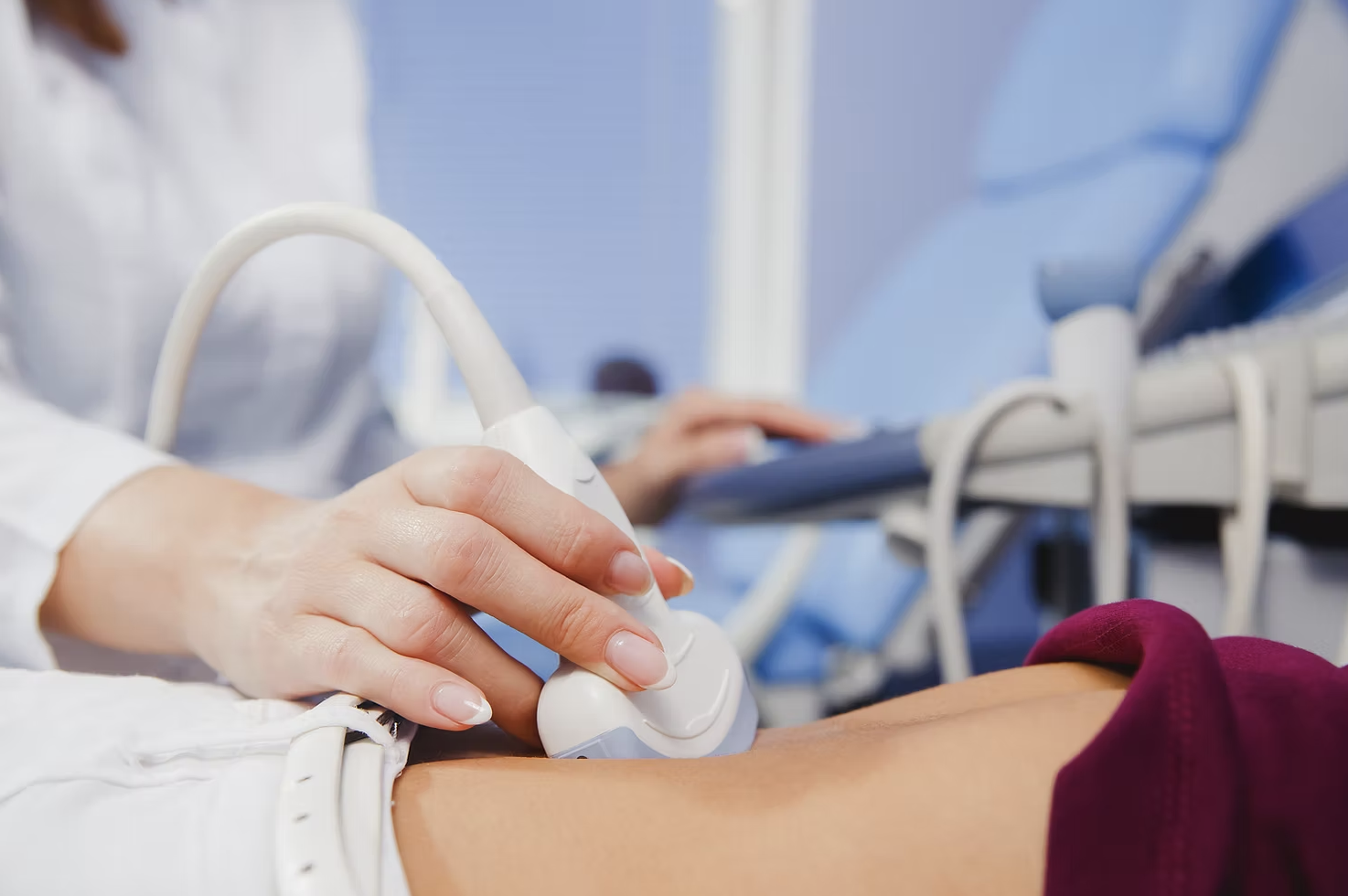
Performing an Abdominal Scan Once prepped, the patient will be asked to lay down with the abdomen exposed so that the sonographer can perform an examination. Patients may need to turn over onto each side throughout the scan to get the best images possible. Lubricating gel will be applied to the abdominal area, this is because the ultrasound sound waves struggle to travel through air pockets, this gel will reduce the air on the area so that the sonographer is presented with clear imaging during the scan. The tool the sonographer will use for the scan is called a ‘transducer’, this will be moved up and down the area to capture the whole area needed for the scan. This process not cause any discomfort and will take no longer than 30 minutes. The patient is then able to resume their day as normal once the scan is complete.
Getting The Results
The sonographer will compile a full analysis and breakdown of the images they have produced after the appointment. This information will then be sent to their GP where they can follow it up with the patient.
Pelvic Ultrasound Scan
A pelvic scan is an exam that is performed using sound waves that create images (sonograms) to view the organs within the pelvis region. We will perform these scans if any of the following areas need to be examined:
In women, a pelvic scan is performed to view:
-
Bladder
-
Cervix
-
Fallopian Tubes
-
Ovaries
-
Uterus
-
Vagina
In men, a pelvic scan is performed to view:
-
Bladder
-
Prostate Gland
-
Seminal Vesicles
Preparation for a Pelvic Scan
Before a pelvic scan, the patient will be asked to drink 1-2 pints of water, 1 hour prior to their appointment. Similar to fasting, this helps to create clearer imaging for the sonographer when assessing the area by making the organs show up more prominently. Wearing loose fitting clothing is advised to wear on the day.
Performing a Pelvic Scan
Once prepped, the patient will be asked to lay down so that the sonographer can perform an examination. Transabdominal – An ultrasound gel will be smeared over the skin of the lower belly to eliminate air pockets so that the best sound conduction can be produced. A transducer will then be placed over the area and moved around to create imaging on their screen.
Transvaginal – A thin, lubricated transducer is placed inside the vagina and moved around to create imaging of the area. This is to assess the female reproductive organs.
This process will take no longer than 30 minutes and the patient will be able to resume their day as normal once the scan is complete.
Getting The Results
A full analysis and breakdown of the images will be created after the appointment. This information will then be sent to their GP where they can follow it up with the patient.
For more information on our Ultrasound services: